Because of my Research we Know…

politicians’ use of social media isn’t random — it depends on resources and party affiliation, and it varies sharply between Facebook and X / Twitter.

the promise of social media as deliberative is overstated. When people debate online, the chat is dominated by a few, there is little knowledge exchange & gender inequality.

Irish special elections tell a larger story about democracy: turnout drops, governments stumble, family ties matter, and transfers decide one in five competitive races.
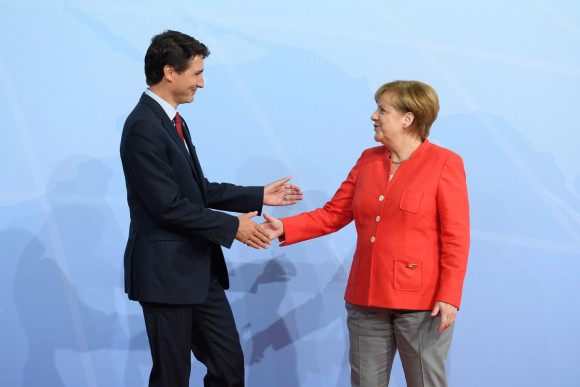
popular leaders help their parties but not as much as we think. Party popularity still outweighs leader appeal.

cross-national data relies on clarity, replicability, and rigorous documentation. Such foundations let data scientists test, extend, and build reliable knowledge.

good data practice is as important as good theory. Macro data can strengthen or sink cross-national analysis. Consistent coding, transparency about decisions, and careful attention to uncertainty & nuance is critical.
Fortin, Howell, Quinlan, & Todosijevic, 2016

history matters, and it can predict the future. Our Political History model showcased three months from election day correctly predicted the 2024 U.S. House elections.

ownership shapes voting. Asset holders’ vote right, especially in liberal welfare states and in tax systems that reward investment.

Click below to learn more about What my Research Explores
Designing High Quality Data
Drawing on over a decade of experience co-leading the globally renowned Comparative Study of Electoral Systems (CSES) project, I have led the development of several high-quality, internationally used data products. I’ve played a key role in designing numerous cross-national surveys and led a team curating macro-level political, social, and economic data. My research focuses on integrating, validating, and harmonising data to improve the reliability, comparability, documentation, and transparency of comparative datasets, and on building longitudinal data resources that support cumulative, high-quality research.
Predictive Modelling
I build models that use theory and data to predict how people and systems behave from elections and referendums to broader questions of public opinion and decision-making. My work combines behavioural theory, economic indicators, and historical data to develop forecasts and test how structure, sentiment, and context shape outcomes. These models have been applied in Germany, Ireland, and the United States, demonstrating how predictive analytics explains and anticipate real-world decisions.
How People Connect With Politics
I use data to understand how people engage with systems investigating questions why some participate while others disengage, how institutional design shapes behaviour, and how online environments influence debate and decision-making. Drawing on behavioural theory and cross-national data, my work explores how people interact within digital and democratic spaces, whether these spaces encourage dialogue or deepen division, and how political institutions and conditions shape democratic participation. These insights help explain patterns of engagement and provide tools for forecasting participation and understanding user behaviour in complex social systems.
How Economics Shapes People’s Behavior
I investigate how people respond to economic conditions — how factors like wealth, inequality, and economic performance influence engagement and decision-making. Using behavioural theory and comparative data, I model how economic context shapes public preferences and choices, from elections and referendums. This work helps explain how personal economic experiences and national context combine to shape behaviour across countries and over time.
Leadership and Citizens
I examine how voters respond to leaders and investigate why politics increasingly revolves around personalities, how leadership shapes party support, and how factors such as gender and popularity influence voter perceptions and election outcomes, with results often challenging the prevailing narratives that personality is everything.
 stephen-quinlan.net